
Learn about
GLP-1 Medications
Obeon works with a variety of FDA-approved GLP-1 medications, including Zepbound®, Wegovy®, Ozempic®, and Mounjaro®. These medications are rigorously studied and target key metabolic pathways that regulate appetite and energy balance to support sustained weight loss.
What Are GLP-1 Medications?
GLP-1 is a gut hormone that signals the brain to regulate hunger and digestion. GLP-1 medications work with your body’s natural metabolic pathways to support long-term weight management.
Reduce Appetite and Hunger
GLP-1 medications act on appetite-regulating centers in the brain to reduce cravings, making it easier to feel more in control around food.
Slow Digestion and Increase Fullness
These medications slow digestion so you feel full sooner and stay full longer, making it easier to eat smaller portions and snack less between meals.
Support Metabolic Health
By regulating blood sugar and insulin responses, GLP-1 medications reduce energy crashes and support steadier eating patterns.

Effectiveness of GLP-1 Medications
Clinical studies show that GLP-1s can support meaningful weight loss, with many participants losing approximately 15–20% of their body weight over 6–12 months on average.
Research also shows improvements in key metabolic and cardiovascular risk markers, including blood sugar and cholesterol.
Branded vs. Compounded Options
GLP-1 treatments are available in two main forms.
Brand-name medications — including Wegovy, Zepbound, Ozempic, and Mounjaro — are rigorously tested through large-scale clinical trials and FDA-approved for specific medical indications.
Compounded medications are widely offered across many clinics, but come with important distinctions. They lack FDA approval, standardized clinical review, and manufacturing oversight. As a result, their potency, purity, and consistency can vary.
Injection vs. Oral Medications
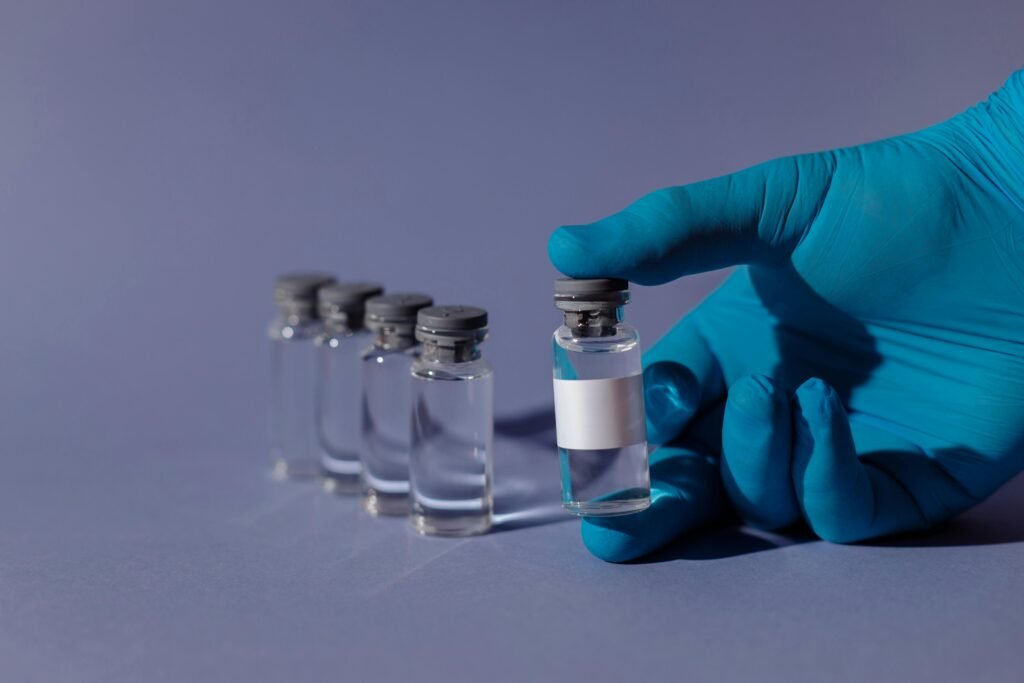
GLP-1 medications are available in injectable and tablet forms, though tablet options are currently limited.
The two forms differ primarily by delivery method and dosing schedule. Injectable GLP-1 medications are self-administered using a small needle and are typically taken once weekly. Tablet GLP-1 medications are taken by mouth daily.
Medical Management
GLP-1 treatment requires active medical management. Doses start low and are adjusted gradually to build tolerance and minimize side effects over time.
Because the body’s hunger signals can return when treatment stops, many people regain weight without continued care. For this reason, obesity is increasingly treated as a chronic condition, and sustained progress often depends on ongoing management.
Protein intake, hydration, and regular eating also play an important role during treatment, supporting energy levels, muscle preservation, and overall comfort.


Eligibility and Side Effects
Consult your physician to determine whether you are eligible for GLP-1 medications, especially if you have a personal or family history of medullary thyroid carcinoma (MTC) or multiple endocrine neoplasia syndrome type 2 (MEN2), a history of pancreatitis or gallbladder disease, or are pregnant or planning to become pregnant.
Potential side effects may include nausea, constipation, diarrhea, vomiting, abdominal discomfort, and decreased appetite.